
We repair engines and fuel systems at our workshop in Lasnamäe. First we find the cause of the fault, then we agree the repair with you, and only then do we replace any parts. After the repair, we check how the engine runs and reconfigure the software if necessary.
Priisle tee 18, Tallinn
Mon–Fri: 09:00–18:00
Cars and minibuses of all makes
What engine repair includes
Different engine and fuel system faults often show similar symptoms. That is why we always start by finding the cause, and the scope of the repair depends on what exactly is faulty.
Fault finding
We read the control unit fault codes, look at the engine’s operating data, inspect the engine and listen to it under different conditions. More about the checks on the Car diagnostics page.
Strip-down and inspection
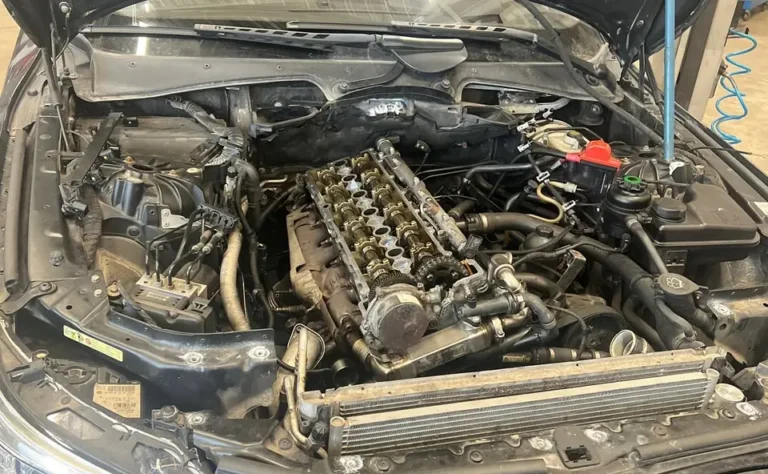
If the cause lies inside the engine, we dismantle it as far as necessary and assess the condition of the parts. Based on the findings, we determine which parts need replacing.
Engine repair
We fix the fault found during the inspection. We do not replace parts by guesswork: we replace only what is actually faulty.
Fuel system
We find out why the fuel supply is disrupted and eliminate the cause. A single incorrectly fitted part can damage other systems too, so we work only on the basis of test results.
Check after repair
We check that the engine works properly, with no fault codes, leaks or unusual noises. If necessary, we reconfigure the software.
Warranty
Work and spare parts are covered by a 6-month warranty. The terms are on the Prices page.
When your engine or fuel system needs repair
Most faults show up early — through sound, smell, fuel consumption or the way the car behaves. Book a visit if any of the following applies:
The engine is hard to start. The starter cranks for a long time, or the engine does not start first time. The cause may lie in the fuel supply, the ignition or the engine itself.
The engine runs unevenly. Vibration at idle and jerking under acceleration are signs that the engine is running rough. The sooner the cause is found, the less damage it does.
The engine stalls. If the engine stalls at idle or while driving, we look for the cause in the engine and the fuel system.
Fuel consumption has gone up. If your driving style has not changed, consumption does not rise for no reason: the cause may be an engine or fuel system fault, including a fuel leak.
The exhaust smoke has changed colour. Blue-grey smoke means oil is burning, black smoke means the mixture is too rich, and thick white smoke after the engine has warmed up means coolant is getting into the cylinders.
The engine is overheating. The temperature gauge is approaching the red zone, or a warning light has come on. Pull over: overheating can damage the head gasket and the cylinder head.
There is knocking or a new noise. A knock that changes with engine speed is a reason to have the engine checked straight away. Driving on with it puts the engine at risk.
The oil level is changing. If the level rises, fuel or coolant is getting into the oil. If it drops quickly, oil is leaking out or burning in the cylinders.
You can smell fuel. A smell of petrol or diesel inside or around the car points to a leak. This is a fire risk — do not put off the check.
The Check Engine light is on. The engine control unit has logged a fault. The best place to start is car diagnostics: the fault codes show which system to look at.
Why the engine and fuel system are checked together
An engine only runs smoothly when the right mixture of air and fuel reaches the cylinders, the ignition fires at the right moment and the engine’s parts are not worn. If any one of these conditions is not met, the symptoms look similar.
For example:
- uneven running can be caused by ignition faults, an injector, an air leak or worn engine parts;
- black smoke can come from a faulty injector or from a lack of air — for example, because of a clogged air filter;
- an engine can be hard to start both because of a weak fuel supply and because of a faulty crankshaft position sensor;
- that is why we do not replace parts at random: first we check, then we replace what is actually faulty.
When to stop immediately
Driving on is dangerous for the engine if:
- the red oil pressure warning light is on;
- the engine is overheating or steam is coming from under the bonnet;
- there is a loud knock;
- the Check Engine light is flashing — this is how the control unit reports severe misfiring;
- there is a strong smell of fuel or a visible fuel leak.
Stop in a safe place, switch off the engine and have the car taken to the workshop by tow truck.
Fuel systems in diesel and petrol engines
Diesel and petrol fuel systems are built differently, and each has its own weak points. What owners should know:
- in a Common Rail diesel, fuel is delivered at very high pressure, while the clearances in the high-pressure pump and the injectors are tiny, so they are sensitive to dirt and water in the fuel;
- a diesel fuel filter traps particles and separates out water. If the filter is replaced later than scheduled, the injectors and the high-pressure pump wear faster;
- in direct-injection petrol engines, carbon builds up on the intake valves over time and can cause rough running and a loss of power;
- fuel that gets into the engine oil impairs lubrication. Change the oil on time — see the Oil change page for details.
The fuel filter replacement interval is set by the manufacturer — follow the service schedule for your car.
How engine repair works
First we find the cause, then we agree the work with you, and only then do we start the repair.
Fault finding
We ask when and how the fault shows up, read the fault codes, look at the engine’s operating data and inspect the engine. If necessary, we dismantle the unit to assess the condition of the parts.
Estimate and approval
We explain what is faulty, determine which parts need replacing, and agree the scope of work and the cost with you before the repair starts.
Repair
We carry out the agreed work. If another fault turns up during the repair, we agree how to fix it with you first.
Final check
We check that everything works: we start the engine and make sure there are no leaks, unusual noises or fault codes. If necessary, we reconfigure the software.
Frequently asked questions about engine repair
How much does engine repair cost?
It depends on the fault and the car: replacing a sensor is one thing, stripping down an engine is quite another. Work is charged at an hourly rate, and current prices are on the Prices page. We agree the scope of work and the cost before the repair starts.
How long does the repair take?
It depends on the fault. We will tell you after the diagnostics, once it is clear what exactly is faulty and which parts need replacing.
Is there a warranty on the repair?
Yes. Work and spare parts are covered by a 6-month warranty. The terms are on the Prices page.
What should I do if the engine has overheated?
Stop in a safe place and switch off the engine. Do not open the expansion tank cap while the engine is hot: hot coolant under pressure can scald you. Do not drive on — after overheating, the cooling system and the head gasket need to be checked.
Why is there smoke coming from the exhaust?
Blue-grey smoke means oil is burning, black smoke means the mixture is too rich, and thick white smoke after the engine has warmed up means coolant is getting into the cylinders. A little white vapour right after starting in cold weather is normal condensation; it disappears once the engine warms up.
Why is the engine oil level rising?
Fuel or coolant is getting into the oil — for example, because of a faulty injector or a failed head gasket. It is best not to drive with oil like this: it lubricates the engine less well. Book a check.
How do I book an engine repair?
Fill in the form on this page or call +372 5552 7985. Give your registration number or VIN and briefly describe what is happening with the engine: when the fault appeared and how it shows itself.
Book an engine repair
Fill in the short form below — we will find a time that suits you.
Arrange a service visit today
Enter your vehicle details and a convenient time — we will contact you and confirm your booking.