
We repair exhaust systems at the Ariol Auto workshop in Tallinn: we look for where exhaust gases are leaking and what is knocking under the car, then weld the damaged sections or replace the silencer. We only start a repair once you have approved the estimate.
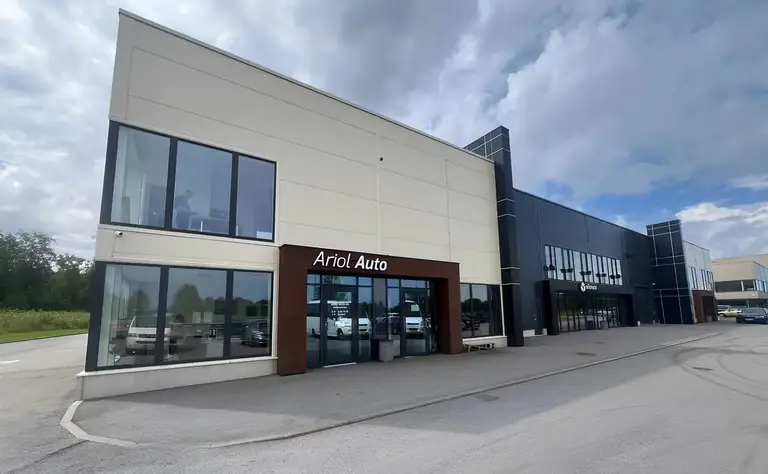
Priisle tee 18, Tallinn
Mon–Fri: 09:00–18:00
Cars and minibuses of all makes
What exhaust repair includes
An exhaust system is more than the silencer. It also includes the exhaust manifold, the flexi pipe, the catalytic converter, on diesels the diesel particulate filter (DPF), the resonator, the pipes and the mountings. We first look for the faulty section, then decide what can be repaired and what needs replacing.
Finding leaks and rattles
We listen to the system with the engine running and check the joints and gaskets. Knocking and rattling are often caused by a loose heat shield, a clamp or a broken hanger rather than by the silencer itself.
Weld repairs
We cut out the damaged section, clean up the edges and weld in a new part. This is how pipes, flexi pipes and joints are repaired, as long as the metal around the damage is still sound.
Silencer replacement
If the silencer casing has rusted through or the baffles inside have broken up, there is no point in welding it. In that case we replace the silencer and, if necessary, its mounting parts.
Hangers and clamps
We replace worn rubber hangers, clamps and joint gaskets: when they wear, the system knocks and lets exhaust gases escape.
Check after the repair
We start the engine and check that the joints do not leak and that the system does not touch anything or knock against the body.
Signs of a faulty exhaust
Book a repair if you notice any of the signs below. A cracked pipe or a loose joint is easier to repair than a silencer that has come off while driving.
The car has become louder. A roar or drone that grows stronger when you accelerate. Most often a pipe, the silencer or a joint has burnt through.
Rattling under the car. A metallic rattle at idle or at certain revs usually comes from a loose heat shield or clamp. A rattle inside the silencer or catalytic converter means its internal parts have broken up.
Knocking against the body. Knocking over bumps and when the engine starts or stops: a rubber hanger has broken or a pipe has shifted.
Exhaust smell in the cabin. A dangerous sign: carbon monoxide gets into the cabin along with the exhaust gases. Do not put off the check.
Hissing or popping near the engine. Especially when the engine is cold. This can be a leak in the exhaust manifold, its gasket or the flexi pipe.
The Check Engine light is on. Air drawn in ahead of the lambda sensor distorts its readings, and the control unit logs a faulty catalytic converter as a fault. We look for the cause during car diagnostics.
Visible rust or holes. Rust holes in the pipes and the silencer casing, soot marks around the joints.
A defect noted at the technical inspection. A car with a leaking or poorly secured exhaust system may fail the technical inspection.
How exhaust repair works
We first look for the faulty section, then agree the repair with you and only then start work.
Diagnostics
We listen to the exhaust system with the engine running and look for rust, cracks, burnt-through spots and signs of escaping gas.
Estimate
We explain what we found, what can be welded and what needs replacing. We agree the work and its cost with you.
Repair
We weld the damage or replace parts and secure the system on its original mountings.
Check
We check the joints with the engine running: no exhaust escapes, and nothing knocks or touches the body.
Weld or replace the silencer?
An exhaust system rusts both outside and in. On the outside, road salt and moisture eat into it; on the inside, it is the condensation that collects in the silencer on short trips. That is why the rear silencer often rots through from the inside while still looking intact from the outside.
If the silencer casing has rusted through in several places, replacing it is the more reliable option: a patch on thin, rotten metal will not last long. Welding makes sense when the metal around the damage is still sound. Typical weld repairs are:
- cracks and burnt-through spots on pipes;
- a damaged flexi pipe — it is cut out and a new one is welded in;
- broken-off brackets and flanges;
- joints that have burnt through or come apart.
When the repair cannot wait
Stop somewhere safe if:
- you can smell exhaust fumes in the cabin;
- you get a headache, dizziness, nausea or drowsiness while driving;
- the silencer or a pipe is hanging low and touching the road;
- something is dragging or knocking hard under the car.
If you smell exhaust, open the windows. Carbon monoxide has no smell, so if you can smell exhaust in the cabin, it is already getting in. Do not warm the car up in a closed garage, and make sure the tailpipe is not blocked by snow.
The exhaust at the technical inspection
At the technical inspection, Estonia’s roadworthiness test, the exhaust system is checked against requirements common to the whole EU (Directive 2014/45/EU). A car may fail the inspection if:
- the exhaust system leaks or is not securely mounted;
- exhaust gases get into the cabin;
- the noise exceeds the permitted level or the silencer has been noticeably modified;
- the catalytic converter or DPF fitted by the manufacturer is missing, modified or faulty;
- leaks distort the emissions measurement.
Removing the catalytic converter or DPF is not allowed: without them the car does not meet emissions requirements and may not be driven on public roads. If a defect in the exhaust system was noted at the technical inspection, mention it when you book.
Frequently asked questions about exhaust repair
How much does exhaust repair cost?
The cost depends on what is damaged and how much needs welding or replacing. Work is charged by time; current prices are on the Prices page. We agree the cost of the repair with you before the repair starts.
Can a silencer be welded instead of replaced?
Yes, if the damage is small and the metal around it is sound: a crack or a burnt-through spot on a pipe, a broken-off bracket. If the casing has rusted through in several places or broken baffles are rattling inside, fitting a new silencer is the more reliable option. We will advise you on what makes sense in your case.
Why does the cabin smell of exhaust?
Most often because of a leak in the exhaust manifold, the flexi pipe or the joints, or a damaged pipe under the car. The gases get into the cabin through the ventilation and gaps in the body. This is dangerous: odourless carbon monoxide gets in with them. Air the cabin and do not put off the check.
Water is dripping from the exhaust pipe — is that a fault?
Usually not. Burning fuel produces water vapour. In a cold exhaust system it condenses and the water runs out of the pipe, especially in cold weather and after short trips. Be wary if thick white smoke with a sweetish smell keeps coming even once the engine is warm: that is a sign of coolant getting into the cylinders, and it is the engine that needs checking.
Black smoke from the exhaust — is the silencer to blame?
No, the silencer does not affect the colour of the smoke. Black smoke means the fuel is not burning completely: the cause lies in the fuel system, the air supply or the turbocharging. On a diesel with a DPF it can also point to a damaged filter. We look for the cause during engine diagnostics.
Can the catalytic converter or DPF be removed?
No. The catalytic converter and DPF fitted by the manufacturer are a mandatory part of the emissions control system. Without them the car does not meet the requirements and may not be driven on public roads, and the technical inspection treats this as a defect. A faulty catalytic converter or filter must be repaired or replaced.
How do I book an exhaust repair?
Fill in the form on this page or call +372 5552 7985. Give your registration number or VIN and describe what is happening: noise, knocking, an exhaust smell in the cabin or a defect noted at the technical inspection.
Book an exhaust repair
Fill in the short form below — we will find a time that suits you.
Arrange a service visit today
Enter your vehicle details and a convenient time — we will contact you and confirm your booking.