
We repair manual gearboxes at the Ariol Auto workshop in Tallinn. First we look for the cause of the fault and inspect the gearbox parts for defects, then we agree the scope of work and the cost with you.
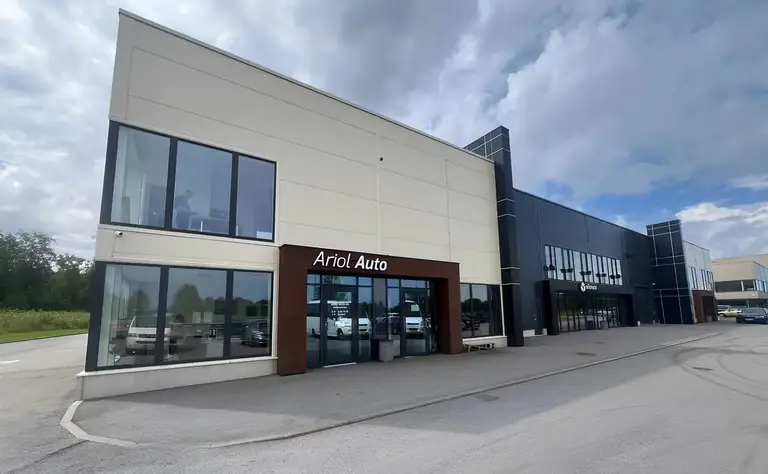
Priisle tee 18, Tallinn
Mon–Fri: 09:00–18:00
Cars and minibuses of all makes
What manual gearbox repair includes
Noise, knocking and difficulty changing gear can come from different parts of the gearbox. That is why the repair starts with finding the cause, and its scope depends on what exactly is worn.
Diagnostics
We ask when the fault appears: in neutral, in a particular gear, when changing gear or when cornering. These signs tell us which parts to check first.
Synchronisers and gears
We inspect the synchronisers, selector sleeves and gears for defects. Their condition determines whether the gears engage smoothly and without grinding.
Gear shift mechanism
We check the selector forks and the gear shift mechanism. When they wear, gear changes become stiff or imprecise, and sometimes the gearbox jumps out of gear.
Differential
We check the spider gears and the spider gear pin. The differential lets the wheels turn at different speeds in corners, which is why worn spider gears are usually heard when cornering.
Casing and oil seals
We check the gearbox casing, the driveshaft seals and the input shaft seal. A worn seal lets oil leak out of the gearbox.
Warranty
Work and spare parts are covered by a 6-month warranty. The terms are on the Prices page.
When a manual gearbox needs repair
Gearbox wear usually shows in advance — in the sounds it makes and in how the gears engage. Book a diagnostic check if any of the following applies:
Noise in neutral. A hum with the engine running, the gearbox in neutral and the clutch pedal released often points to worn input shaft bearings.
Knocking when selecting a gear. A knock or a jolt when you engage a gear is a reason to have the gearbox checked straight away, before the wear spreads to other parts.
Grinding when changing gear. The synchroniser matches the speed of the gear and the shaft before the gear engages. When it is worn, the gear grinds as it goes in.
Gears are hard to engage. The lever is stiff, the gear does not go in at the first attempt or does not engage at all. The cause may lie in the synchronisers or the gear shift mechanism.
The gearbox jumps out of gear. If the lever pops back into neutral by itself, especially under acceleration, the cause is usually wear in the selector forks, sleeves, synchronisers or gears.
Noise in one gear. If the noise is heard in only one gear and gets louder under load, the teeth of that gear are usually worn or damaged.
Grinding or knocking when cornering. If the noise appears in corners and disappears on the straight, the differential spider gears may be worn.
Oil under the gearbox. Oil marks on the gearbox casing or spots under the car usually point to a worn seal.
Why a manual gearbox wears out
When the driver moves the lever, the gear shift mechanism moves a selector fork, which slides the sleeve. First the synchroniser matches the speed of the gear and the shaft, then the sleeve locks them together — so the gear engages without a jolt.
How long the parts last depends both on how the gearbox is used and on the driving style:
- synchronisers work by friction and wear gradually, and abrupt gear changes speed up the wear;
- worn bearings eventually cause the gears to wear, so a noise that has appeared and keeps getting louder should be checked without delay;
- if you keep your hand on the lever all the time, the selector forks are pressed against the sleeves and wear out prematurely;
- on front-wheel-drive cars the differential is usually in the same housing as the gearbox, so we check it as part of a manual gearbox repair too.
How to make your gearbox last longer
A few habits will help your gearbox last longer:
- press the clutch pedal all the way down when changing gear;
- engage reverse only once the car has come to a complete stop;
- do not use the gear lever as an armrest;
- do not shift down at high engine speeds.
In frosty weather the gears may be stiffer to engage until the gearbox warms up. This is usually normal and does not harm the gearbox.
How manual gearbox repair works
First we look for the cause, then we agree the work with you, and only then do we start the repair.
Diagnostics
We ask when and how the fault appears, check the gearbox and look for the cause.
Inspection for defects
We inspect the gearbox parts for defects and determine which of them need replacing.
Estimate and approval
We explain what is faulty and agree the scope of work and the cost with you before the repair starts.
Repair and check
We carry out the agreed work, then check how the gears engage and whether there are any unusual noises or leaks.
Frequently asked questions about manual gearbox repair
How much does manual gearbox repair cost?
It depends on the car and on which parts are worn. Work is charged at an hourly rate, and current prices are on the Prices page. We agree the scope of work and the cost before the repair starts.
How long does the repair take?
It depends on the fault. We will tell you how long it will take after the diagnostics, once it is clear which parts need replacing.
Is there a warranty on the repair?
Yes. Work and spare parts are covered by a 6-month warranty. The terms are on the Prices page.
Can I drive if the gearbox is noisy?
It is best not to put off a check: worn bearings eventually cause the gears to wear, and the repair becomes bigger. If the gearbox jumps out of gear or a gear will not engage, do not keep driving — it is not safe.
Why does the gearbox jump out of gear while driving?
Usually because of worn selector forks, sleeves, synchronisers or gears: the gear does not engage fully and comes out of mesh under load. Keeping your hand on the lever while driving speeds up selector fork wear.
Why are the gears stiff in frosty weather?
Until the gearbox has warmed up, the gears may be stiffer to engage. This is usually normal. If the gears are still hard to engage after warming up, book a diagnostic check.
Do you also repair automatic gearboxes?
Yes, automatic transmission repair is a separate service: we repair and service conventional automatics, DSG gearboxes and CVTs.
How do I book a manual gearbox repair?
Fill in the form on this page or call +372 5552 7985. Give your registration number or VIN and briefly describe the fault: when the noise or knocking occurs — in neutral, in a particular gear, when changing gear or when cornering.
Book a manual gearbox repair
Fill in the short form below — we will find a time that suits you.
Arrange a service visit today
Enter your vehicle details and a convenient time — we will contact you and confirm your booking.